
Why a seasonal reset helps
The work fits the time of year
Spring and autumn problems are not the same, so the visit is shaped around current conditions.
Visible areas come first
We help prioritise the entrances, paths and beds that change the feel of the garden most.
Small problems stay smaller
A tidy-up now can stop debris and tired growth becoming a more awkward job later.
Time the tidy-up to the garden's actual condition
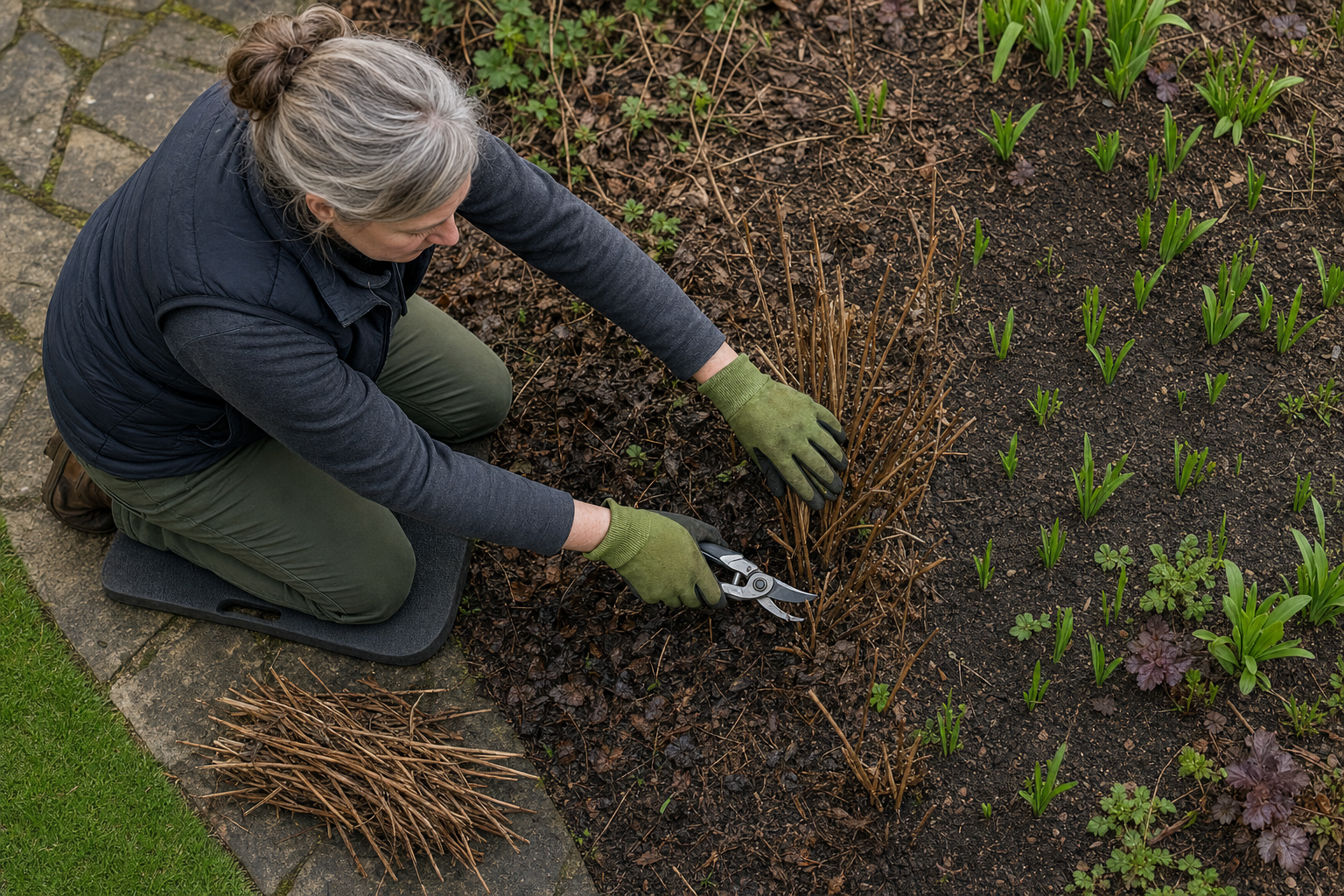
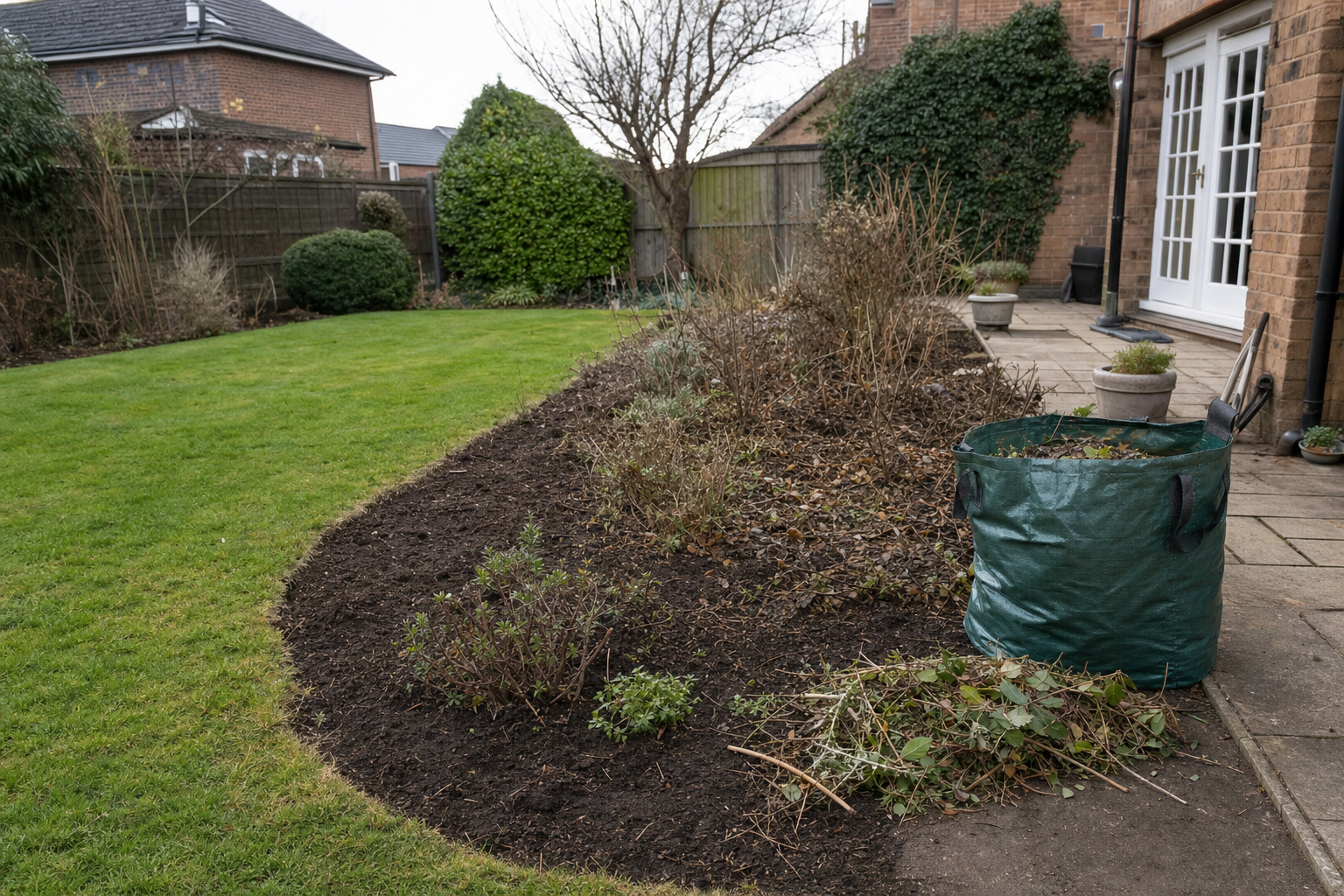
A seasonal tidy works best when it responds to what the garden looks like now, not what a calendar says it should be doing in theory. After autumn, that may mean leaves and windblown debris. In spring, it may be dead growth, messy edges and beds that need opening up again. We shape the visit around the time of year, the weather and the condition of the plants so the work suits the garden in front of us. With JMD Garden Maintenance, the aim is a useful reset.
Focus on the parts you see and use most
If time is limited, it makes sense to start where the tidy-up will actually change how the garden feels. Our jobs are often centred on entrances, seating areas, main paths and the most visible beds, because those are the places where accumulated growth and debris become most irritating. A seasonal reset can also stop smaller problems building into a much bigger clearance later, which is far cheaper in effort than rescuing the whole garden after months of avoidance.
Frequently asked questions
What does a seasonal tidy usually include?
It depends on the time of year and the garden condition, but common tasks include clearing leaves or windblown debris, cutting back spent growth, reopening paths and neatening the areas that have become visibly tired. We scope the visit around the most useful work for that moment.
Which parts of the garden should we prioritise?
The best starting point is usually the areas you see and use most, such as the entrance, main path, lawn edges, seating area or the front beds. A tidy-up feels more worthwhile when the effort goes into the parts of the garden that affect daily life straight away.
Can a seasonal tidy prevent bigger work later?
Often, yes. Clearing debris, spent growth and blocked routes before they build up can stop the garden sliding into a much heavier catch-up job. It is not magic, just the practical benefit of dealing with the manageable version of the problem first.